
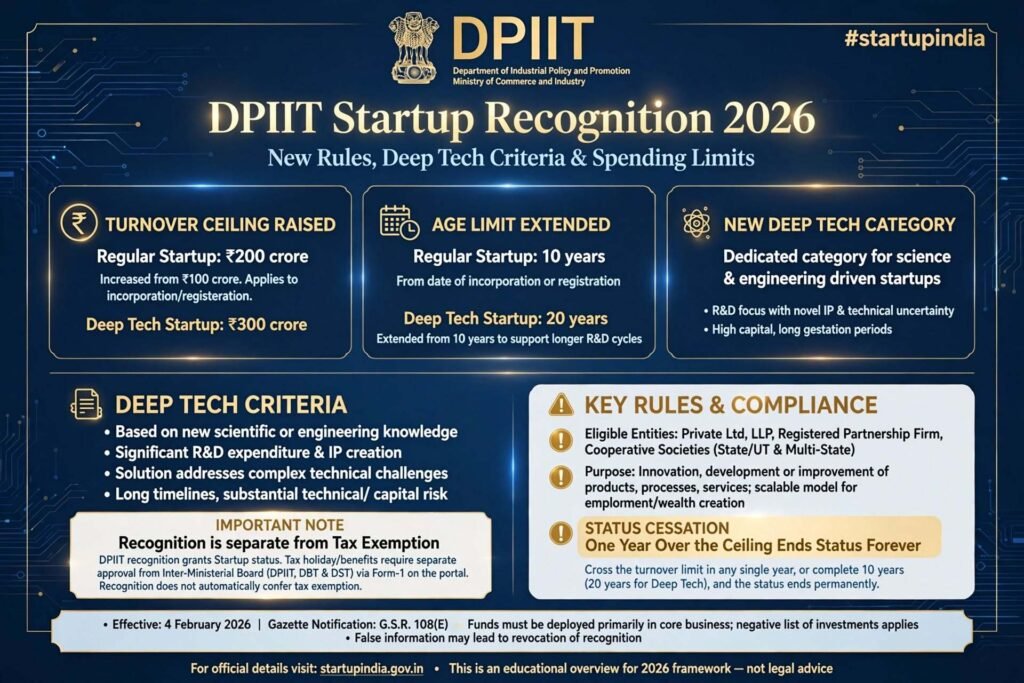
DPIIT Startup Recognition 2026: New Rules, Deep Tech Criteria and What Can Cost You Your Status
DPIIT startup recognition now runs on a rewritten rulebook. Notification G.S.R. 108(E), dated 4 February 2026, doubled the turnover ceiling
DPIIT startup recognition now runs on a rewritten rulebook. Notification G.S.R. 108(E), dated 4 February 2026, doubled the turnover ceiling
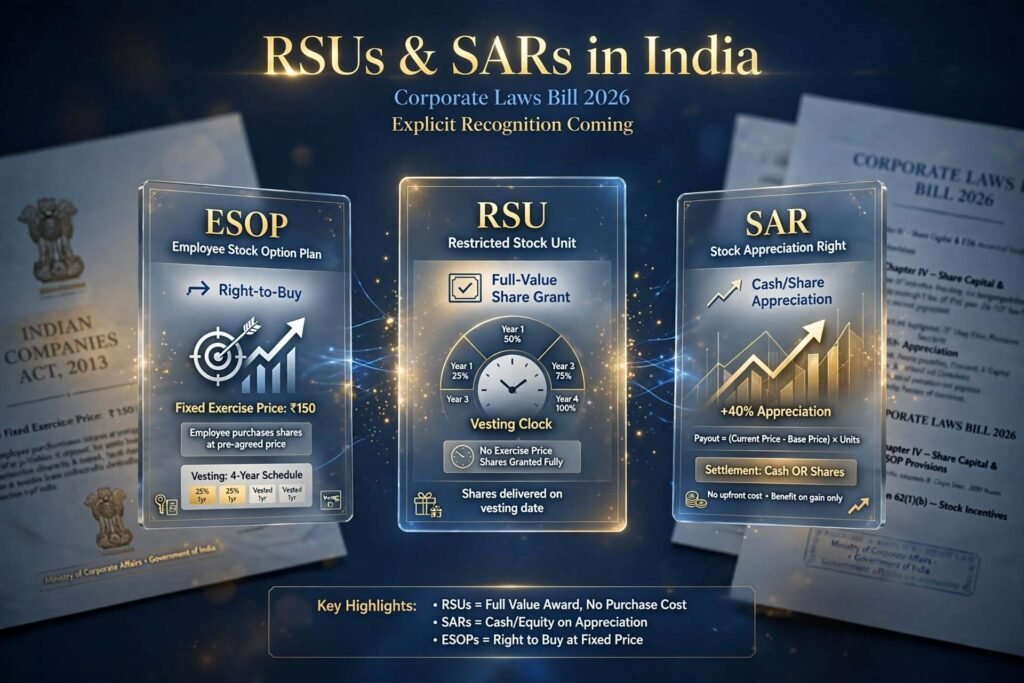
RSUs and SARs in India have been quietly doing a lot of work for years, even though the Companies Act

Third-party litigation funding in India solves a problem most founders know too well: you’re owed money or you’ve been wronged,

Reverse flipping has gone from a niche compliance term to one of the defining corporate stories of India’s startup ecosystem,

Client refuses to pay is one of the most searched phrases among Indian freelancers, and for good reason — it’s

Trade secret protection is the one area of employment law that Indian founders consistently underinvest in, right up until a

DPDP Act compliance used to sit quietly in the legal team’s to-do list, somewhere below product roadmap and hiring plans.
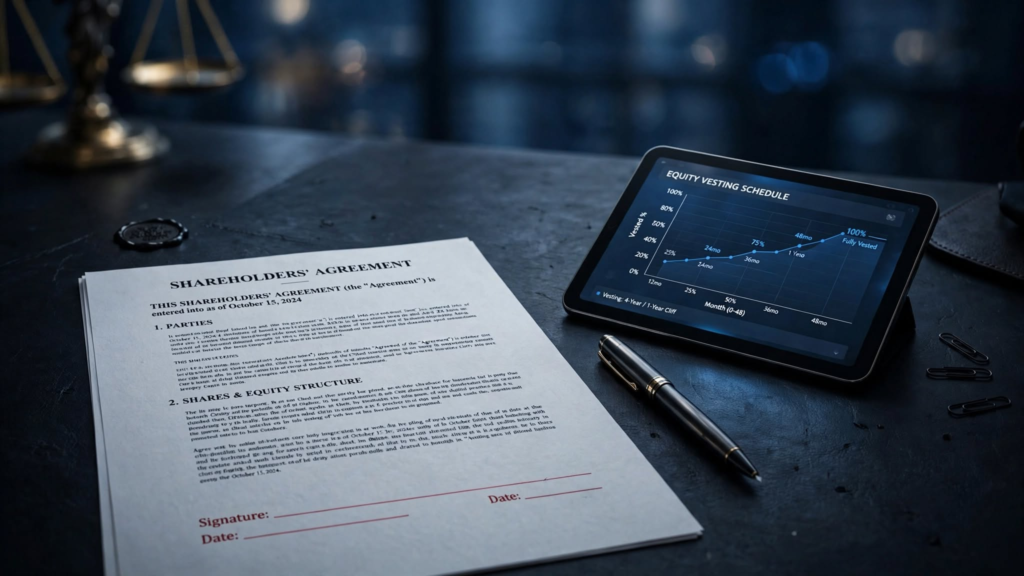
The bad leaver clause is the single most consequential provision in most Indian VC term sheets and shareholders’ agreements, and

MSME registration, done through the government’s Udyam portal, is one of the smartest first steps any small business owner in

Startup India registration — officially known as DPIIT recognition — is the single most valuable step a new business can