
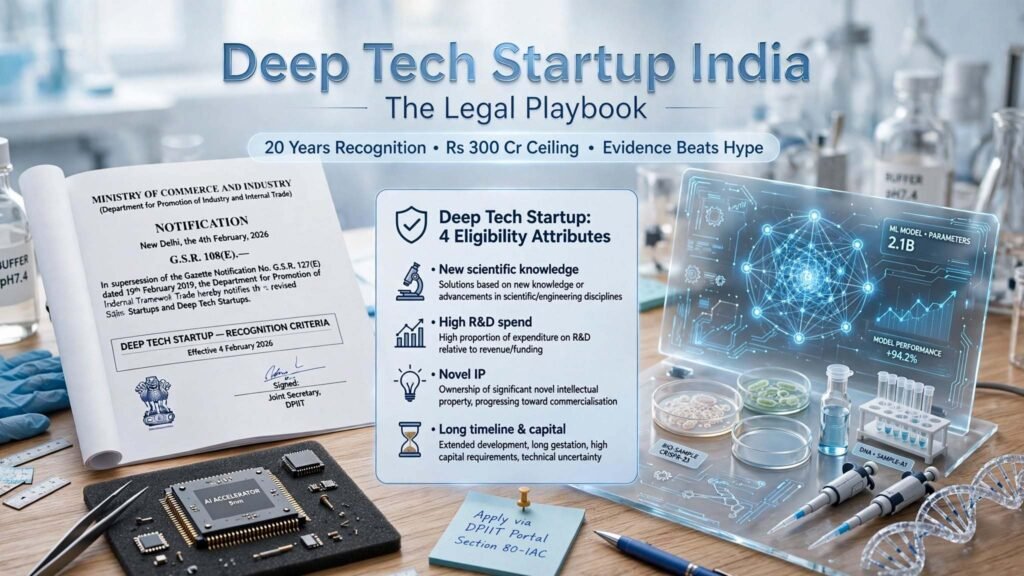
Deep Tech Startup India: The Legal Playbook for Semiconductor, AI and Biotech Founders
If you’re building chips, a new drug or a model that needs its own research lab, the Deep Tech Startup
If you’re building chips, a new drug or a model that needs its own research lab, the Deep Tech Startup

India has no trade secrets law today, and that is exactly why founders keep getting hurt. Your customer list, pricing
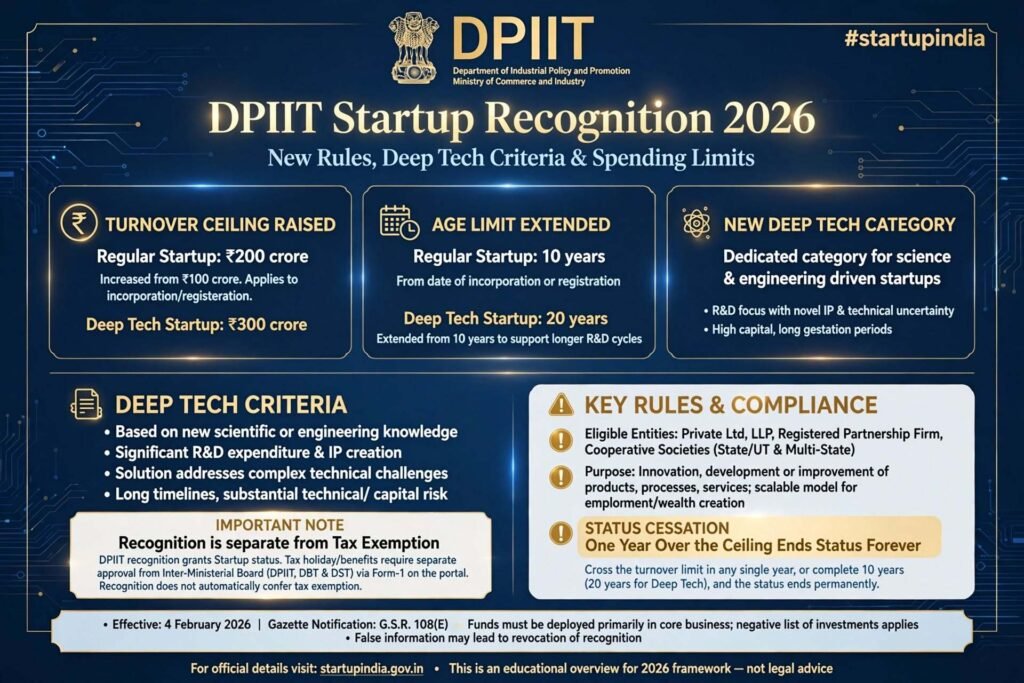
DPIIT startup recognition now runs on a rewritten rulebook. Notification G.S.R. 108(E), dated 4 February 2026, doubled the turnover ceiling
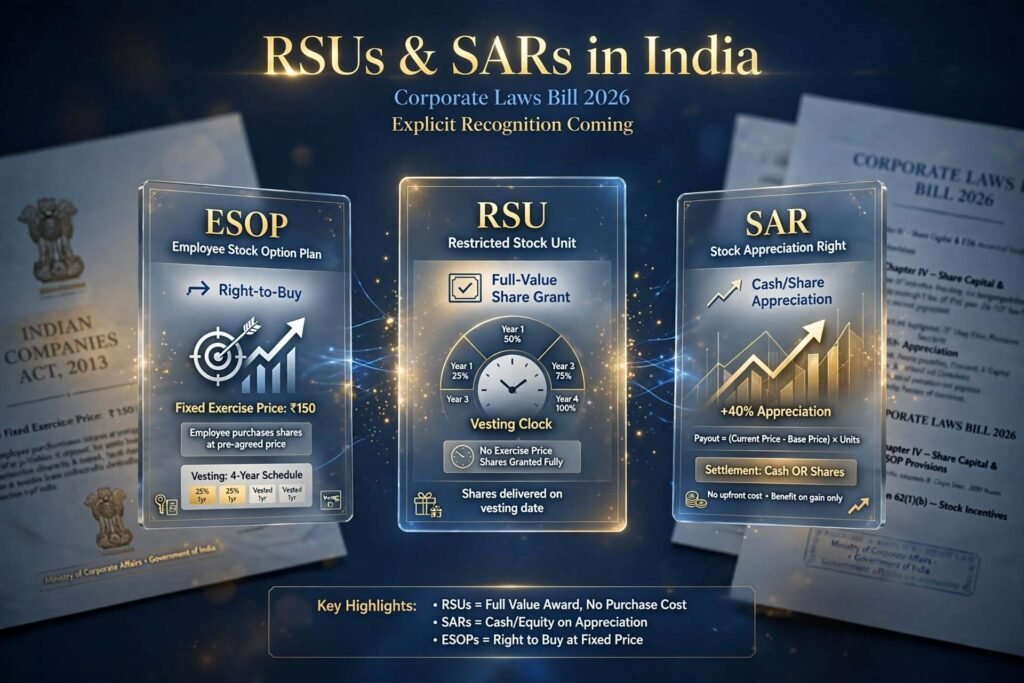
RSUs and SARs in India have been quietly doing a lot of work for years, even though the Companies Act

Third-party litigation funding in India solves a problem most founders know too well: you’re owed money or you’ve been wronged,

Trade secret protection is the one area of employment law that Indian founders consistently underinvest in, right up until a
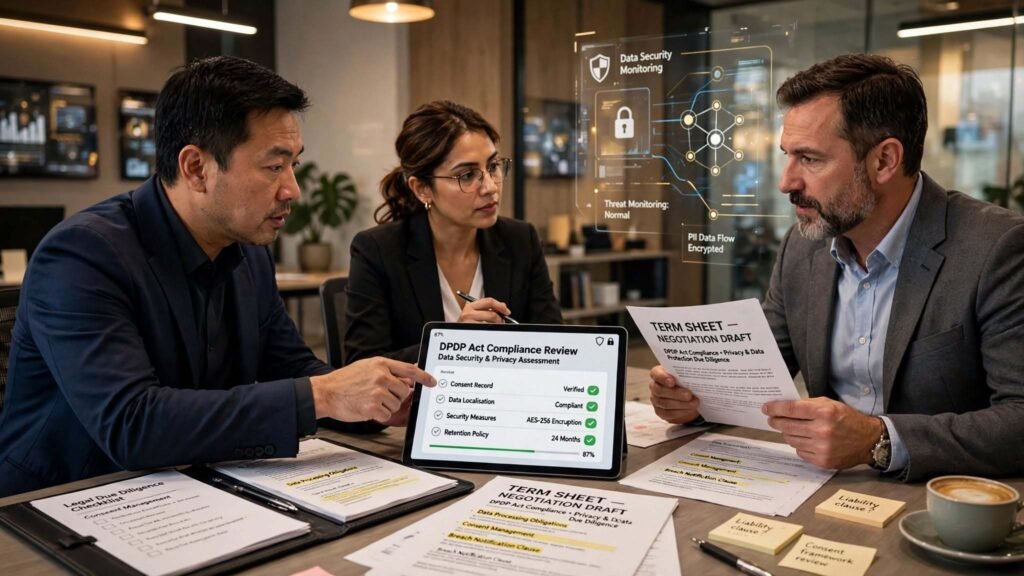
DPDP Act compliance used to sit quietly in the legal team’s to-do list, somewhere below product roadmap and hiring plans.
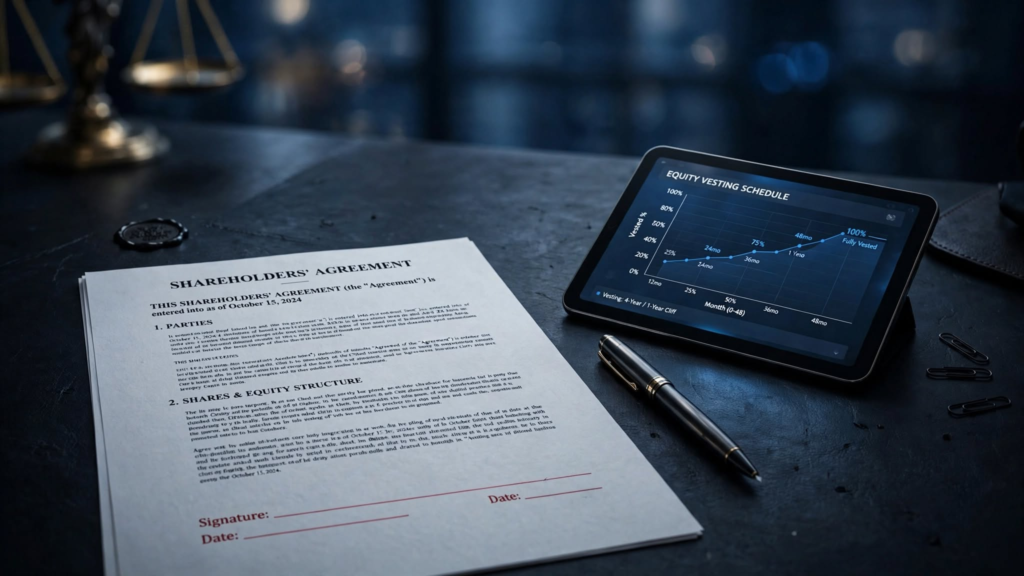
The bad leaver clause is the single most consequential provision in most Indian VC term sheets and shareholders’ agreements, and

MSME registration, done through the government’s Udyam portal, is one of the smartest first steps any small business owner in
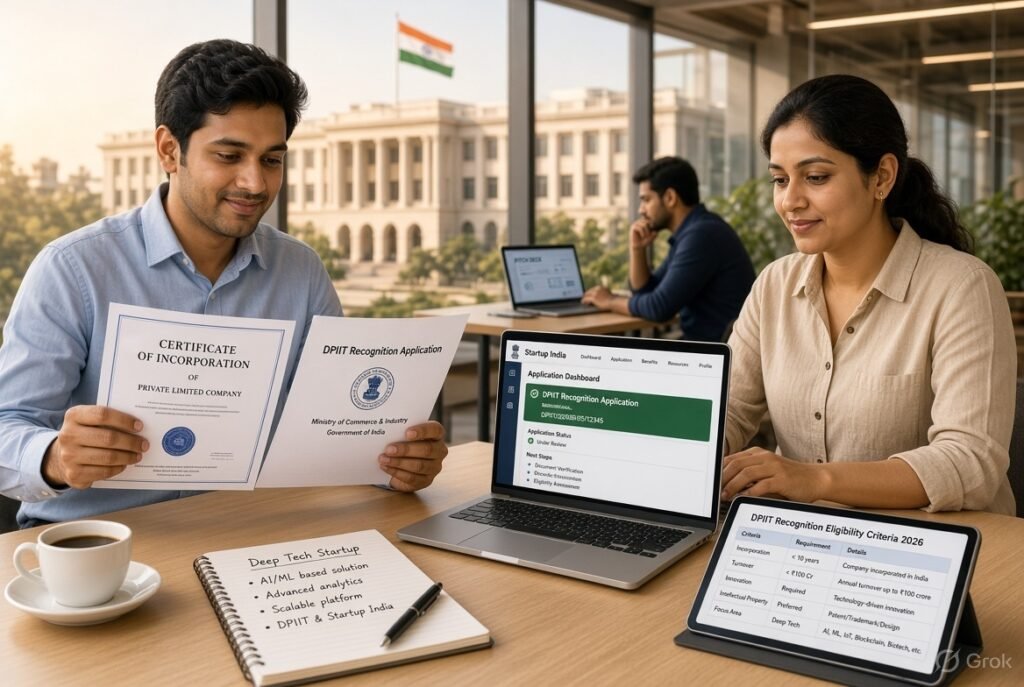
Startup India registration — officially known as DPIIT recognition — is the single most valuable step a new business can